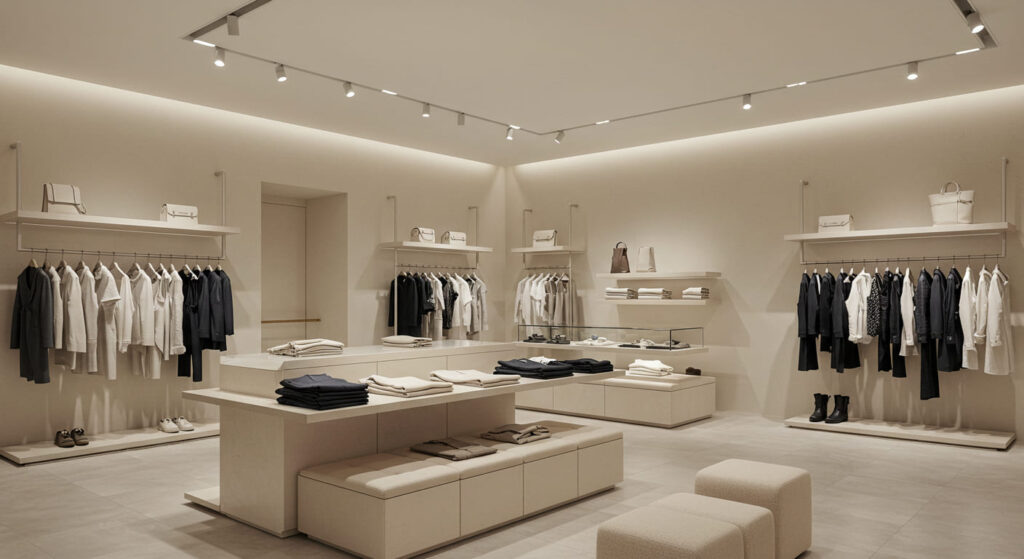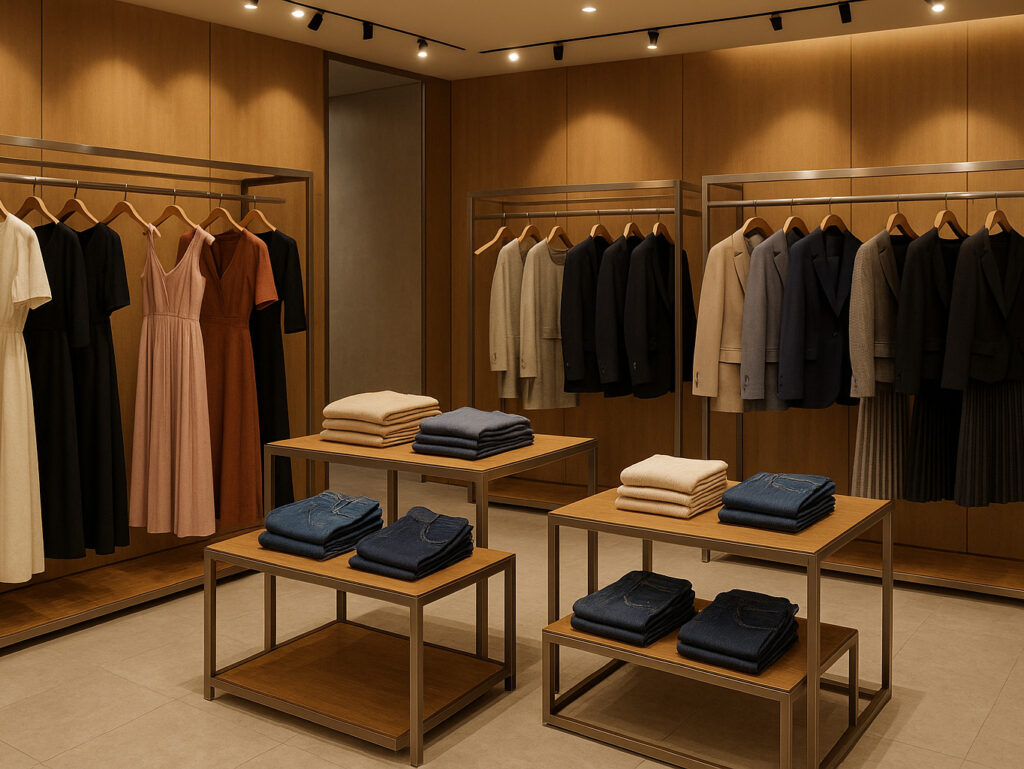
Why This Question Deserves Your Attention
If you’re preparing to open a clothing store, your mind is probably full of ideas about branding, suppliers, and store décor. But there’s one decision that often slips under the radar—whether to hang or fold your clothes.
It might seem like a minor detail, but in reality, it’s a choice that shapes the first impression customers get when they walk in. The display method you choose affects not only how your store looks but also how garments keep their shape, how easily customers can shop, and how quickly your staff can restock. A good display strategy can turn casual browsers into loyal buyers, while a poor one can make even the best clothes feel unappealing.
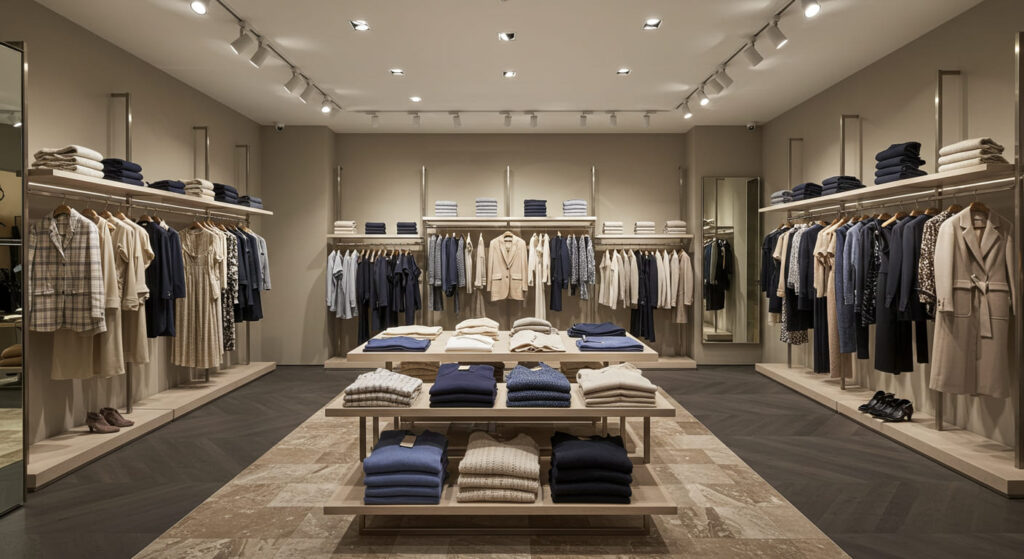
Clothes That Look Best Hung
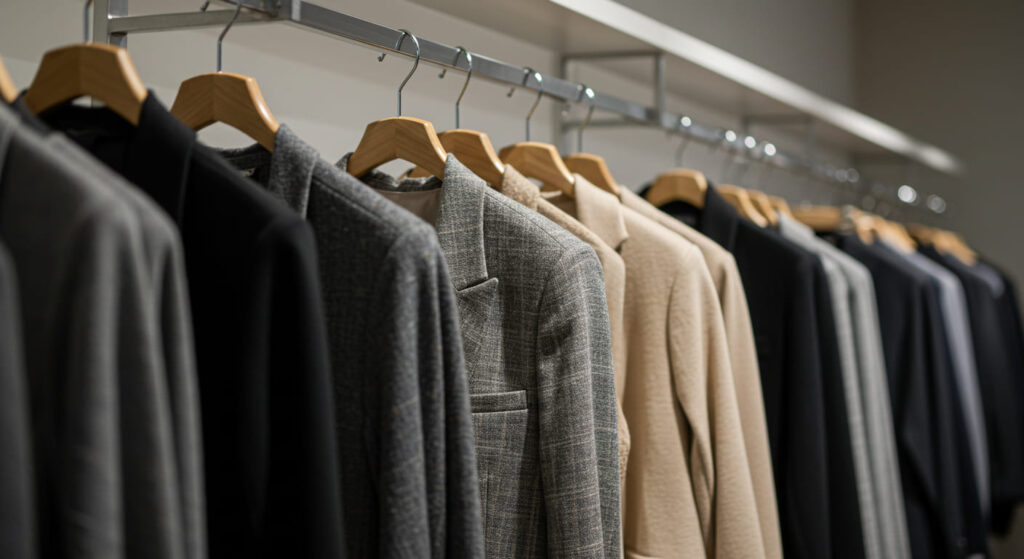
Some garments come alive when they’re displayed hanging. Think of a dress that flows effortlessly on a hanger, a sharply tailored blazer that shows off its crisp lines, or a delicate silk blouse that looks weightless under soft lighting. Hanging lets these items show their full shape, movement, and design details.
If you stock structured outerwear, long dresses, pleated skirts, or trousers with sharp creases, hanging is the safest way to protect their form. And when you invest in sturdy rails and good-quality hangers, you not only prevent damage but also give your store an air of quality and care.
When Folding Works Better
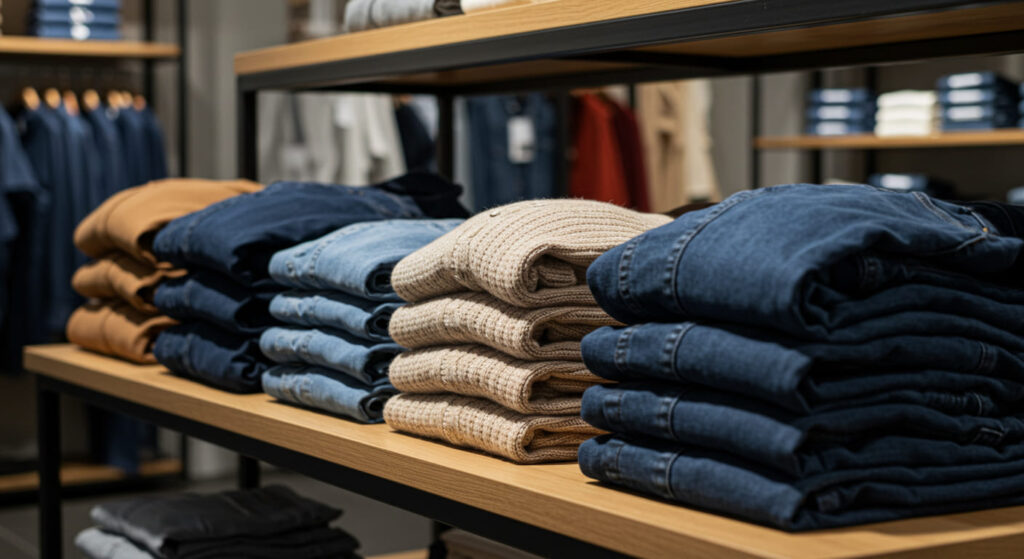
Not every garment benefits from being hung. In fact, some do far better folded. Picture a stack of perfectly aligned T-shirts, neatly folded jeans, or soft knit sweaters sitting on a low display table—customers can see the colors and patterns at a glance, then pick their size from the pile.
Folding works best for casual tops, denim, and heavier knitwear that might stretch if hung. It also keeps high-turnover basics looking tidy and makes it easy to replenish stock quickly. Well-designed shelving or tiered display tables can turn a simple pile of clothes into an attractive, organized feature.
Mixing the Two for Maximum Effect
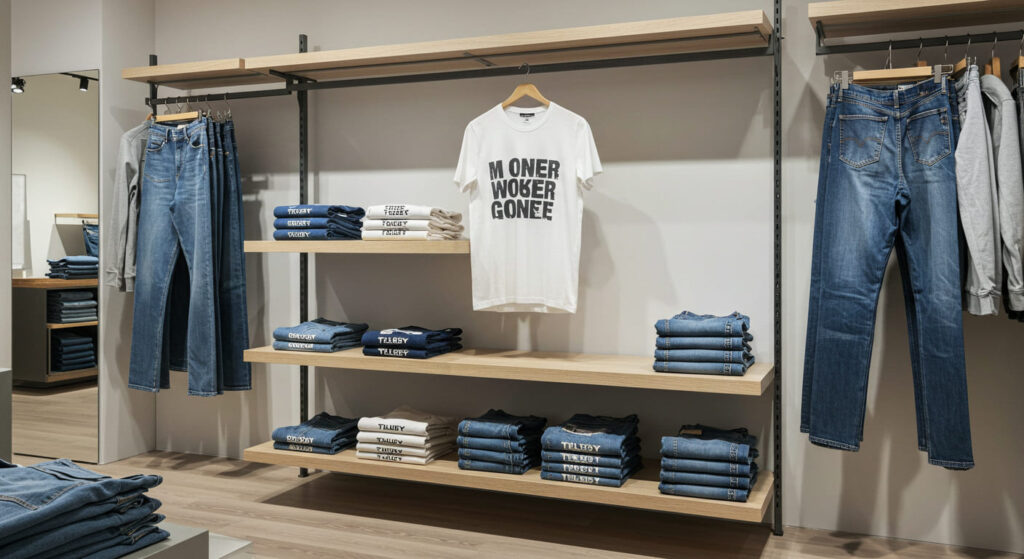
In many cases, the smartest approach is a mix of both. A statement T-shirt might be hung at eye level so shoppers can see the full design, while stacks of the same style in different sizes sit neatly folded below. Jeans can hang on a wall hook to show their cut and wash, with folded stacks nearby for easy access.
This method not only gives customers a complete view of the product but also saves space and keeps the store looking dynamic. Fixtures that combine hanging rails with shelves make it easy to switch up the display as seasons change.
Designing Fixtures Around the Plan
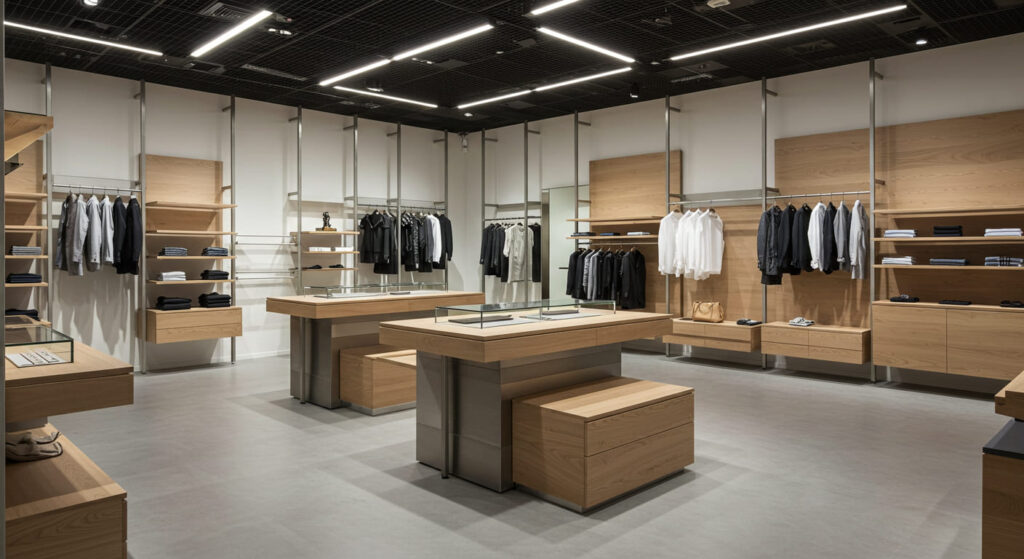
The choice to fold or hang is only half the story—your fixtures need to support the display style you choose. Wall-mounted rails are ideal for maximizing vertical space, while freestanding racks give you flexibility to move displays for seasonal changes. Tiered tables and built-in shelving work beautifully for folded items and can even include hidden storage for quick restocking.
When the layout and fixtures are planned with your products in mind, your store feels more open, organized, and professional. And in a retail environment, that feeling translates directly into sales.
Thinking from the Customer’s Side
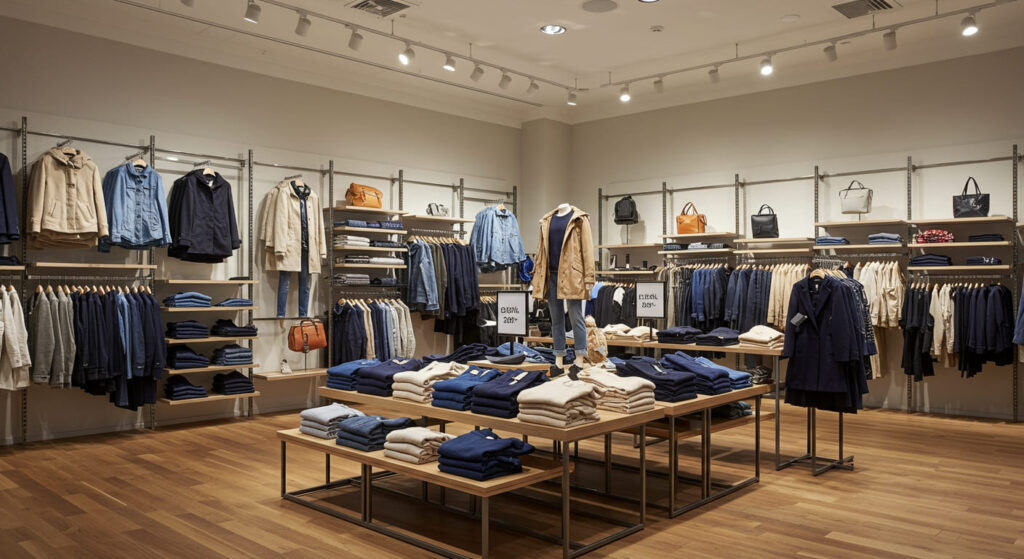
The right display isn’t just about product care—it’s about how your customers move through your store. Group similar items together so shoppers naturally know where to find them. Keep folded stacks tidy and clearly labeled by size, and make sure everything is easy to reach. Hanging displays can be used as visual anchors, drawing customers deeper into your store without them even realizing it.
When a customer can shop comfortably—without hunting for sizes, struggling to reach a shelf, or wondering where an item belongs—they’re more likely to enjoy the experience and make a purchase.
Conclusion: Let the Garment Decide
There’s no strict formula for whether a garment should be hung or folded. The decision comes down to the fabric, the shape, and how you want customers to interact with it. If you let the clothing lead the way and plan your fixtures accordingly, you’ll have a store that’s both functional and beautiful—one that makes shopping feel effortless and leaves customers wanting to come back.